

Ibrahim Demir
Tulane University
Reimagining Hydrology Education, Research and Engineering Practice in the Age of AI
This talk explores the profound transformation that Artificial Intelligence—especially Agentic AI and Interactive Autonomous Cyber Workflows—is bringing to engineering practice, hydrology education and research. As Autonomous AI agents have already begun to reshape professional engineering workflows, we consider how similar paradigm shifts will influence broader engineering and scientific domains.
Ibrahim Demir is the Michael A. Fitts Presidential Chair in Environmental Informatics and Artificial Intelligence at Tulane University, Professor in the Department of River-Coastal Science and Engineering and a core member of the Tulane ByWater Institute. Leveraging cutting-edge artificial intelligence and data science, Demir develops innovative environmental information systems, notably creating AI-assisted early warning systems and digital twins for disasters. His pioneering research is widely recognized through 250 peer-reviewed publications. He is leading the Hydroinformatics Lab, focusing on intelligent disaster analytics systems, and augmented and virtual reality for environmental monitoring. Demir holds a PhD from the University of Georgia. He also serves as the Chair of the International Joint Committee on Hydroinformatics (IAHR/IWA).
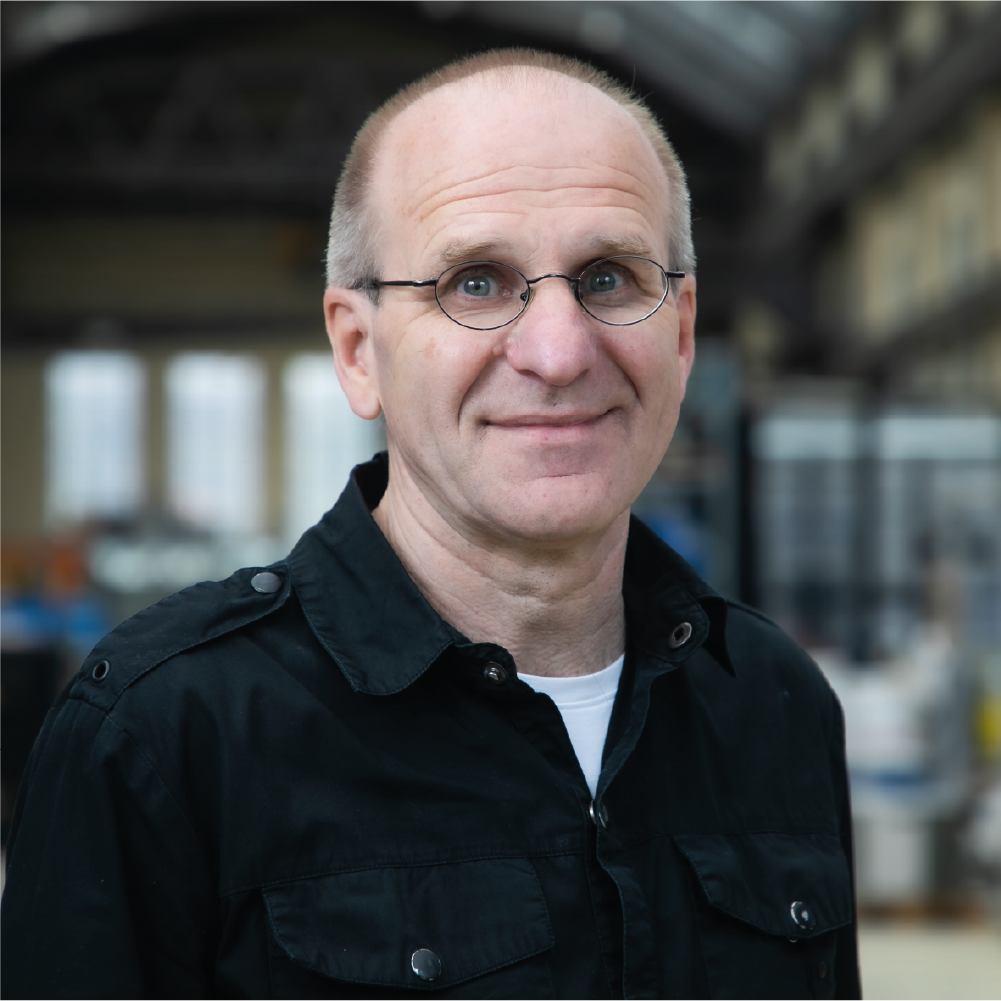
Reinhard Hinkelmann
TU Berlin, Germany
High Performance Computing in the Hydrosciences
The presentation will shed light on the following aspects: a short retrospect on High Performance Computing (HPC) in the hydrosciences; HPC architectures and tool boxes; selected HPC applications of the following fields: rainfall-runoff simulations with a 2D shallow water model; 3D water-air flows, transport and mass transfer processes in sewers or hyporheic zones with a CFD model; water quality modelling; optimizations methods; Machine Learning approaches; lessons learnt, capabilities, limitations and future perspectives.
Prof. Hinkelmann is Head of the Chair of Water Resources Management and Modeling of Hydrosystems Technische Universität Berlin, Germany since 2004. His overarching research interests are (i) modelling of flow and transport processes in surface waters, (ii) modelling of flow and transport processes in subsurface systems and (iii) model development, high performance computing and hydroinformatics.
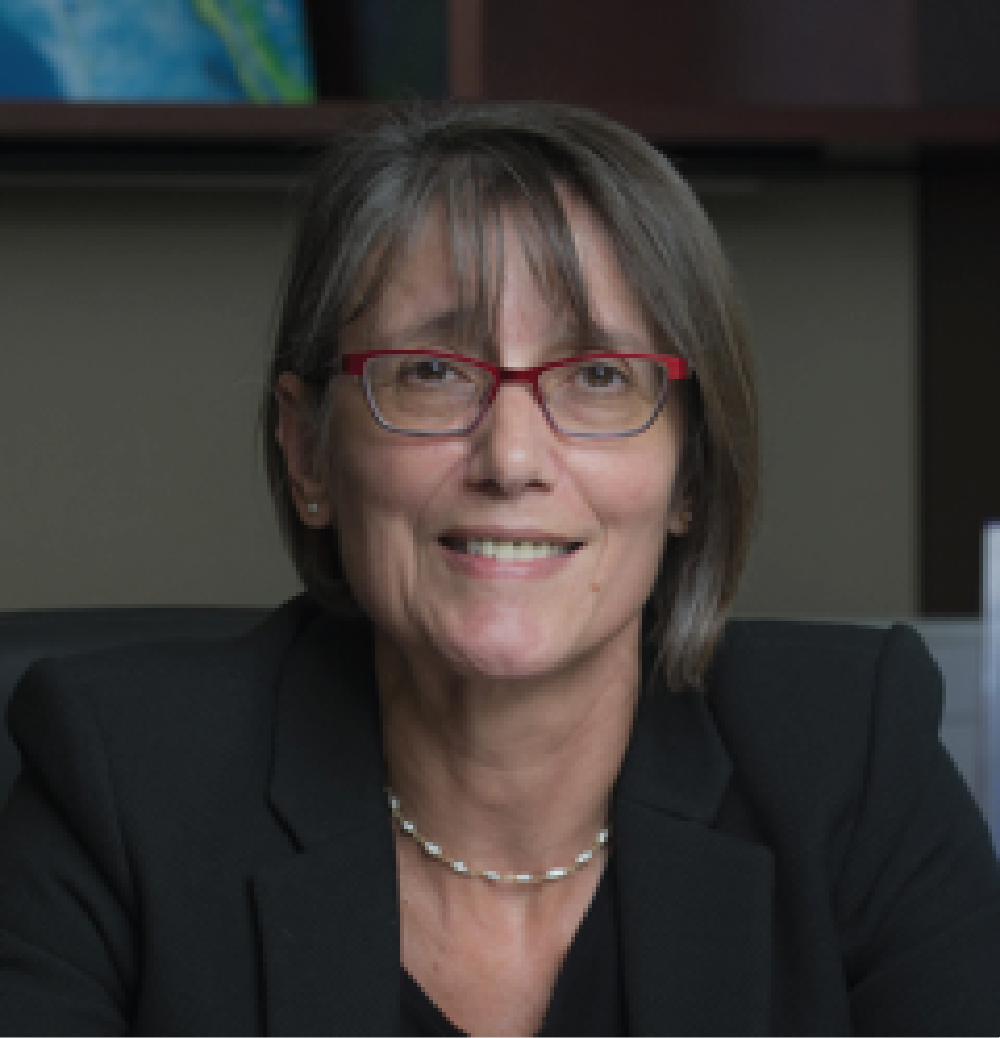
Efi Foufoula-Georgiou
University of California Irvine
Climate-water systems, precipitation extremes and resilience
Precipitation is the input to the hydrologic cycle and affects the water and energy balance at the local, regional and global scales. Precipitation extremes create hazards and endanger life, property and critical infrastructure. In this talk I will discuss: (1) challenges with the under-constrained inverse problem of global accurate precipitation estimation from satellites and advances with the use of conditional generative diffusion models, and (2) the intricate change of the multi-scale space-time organization of precipitation in a warming climate, with small- scale short-lived features changing at a higher rate than larger long-lived features, and implications for resilience and accurately detecting changes from coarser resolution observational products or climate model outputs.
Efi Foufoula-Georgiou is a Distinguished Professor in the Departments of Civil and Environmental Engineering and Earth System Science and the Henry Samueli Endowed Chair in Engineering at the University of California, Irvine (USA). She has served as Director of the NSF Science and Technology Center “National Center for Earth-surface Dynamics” (NCED) and Director of the St. Anthony Falls Laboratory at the University of Minnesota. Professor Foufoula-Georgiou’s work has been recognized by several awards including the John Dalton Medal of the European Geophysical Society, the Hydrologic Sciences Medal of AMS, and the Horton Medal of AGU.
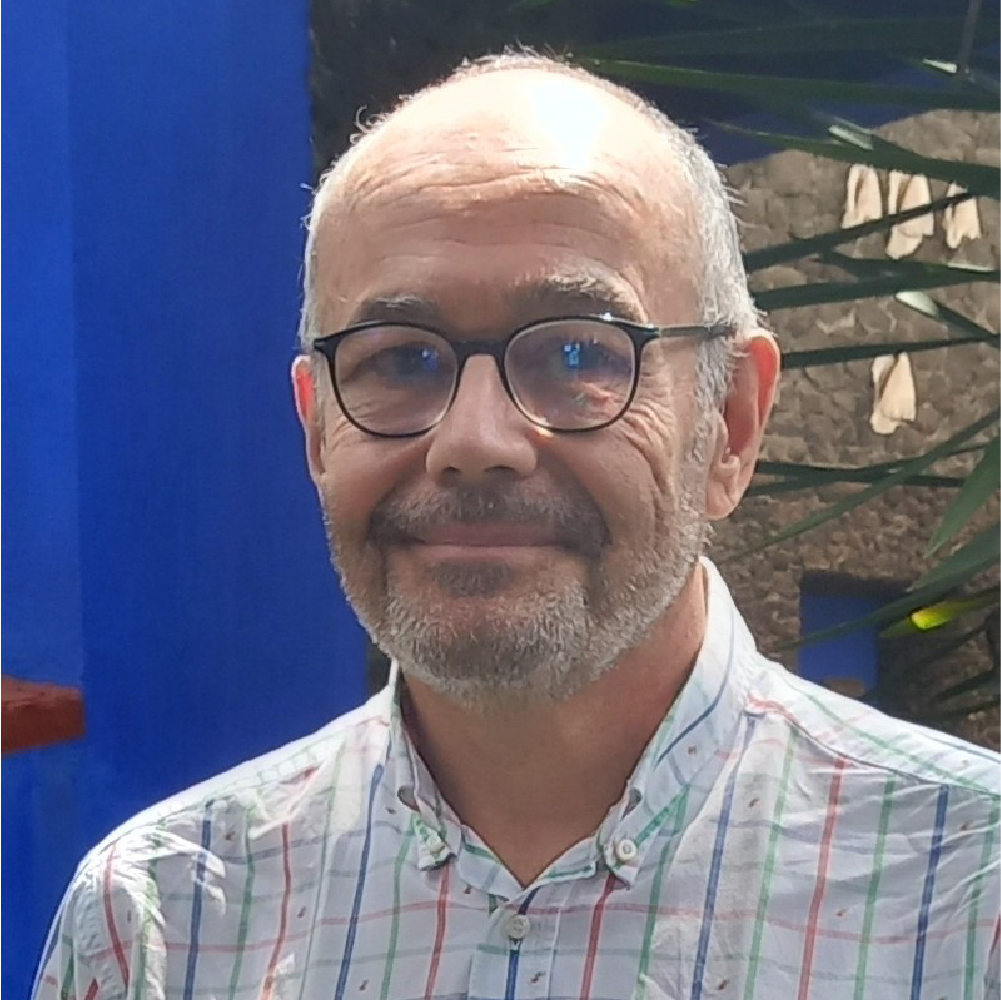
Enrique Playán Jubillar
CSIC
The Water – Energy – Food – Ecosystems nexus in irrigation management
Over the 20th century, many interventions in the water cycle have had severe, often unexpected negative effects on energy, food and ecosystems and vice versa. The development of the Water, Energy and Food (WEF) Nexus concept in 2011 illustrated the interdependencies between the first factors (trade-offs and synergies) and created an intense scientific dialogue. The concept has recently been extended to include additional terms, like “Land” and/or “Climate”, but the most ambitious extension has been “Ecosystems”, leading to the WEFE Nexus. Policy makers are facing the challenge of protecting water bodies in quantitative and qualitative terms. Consequently, they are urging farmers and their associations to reduce water abstraction and water pollution. At the same time, energy consumption is a major production cost. Can the WEFE Nexus be applied to identify adequate management decisions? Will the Nexus find routine application in irrigation management?
Enrique Playan is a Research Professor at the Aula Dei Experimental Station of the CSIC in Zaragoza. He holds a degree in Agricultural Engineering from the Universidad Politécnica de Cataluña (1989) and a PhD in Agricultural Engineering from Utah State University (USA, 1992). He specializes in Irrigation Engineering and water management in agriculture, areas in which he has developed a distinguished professional career.
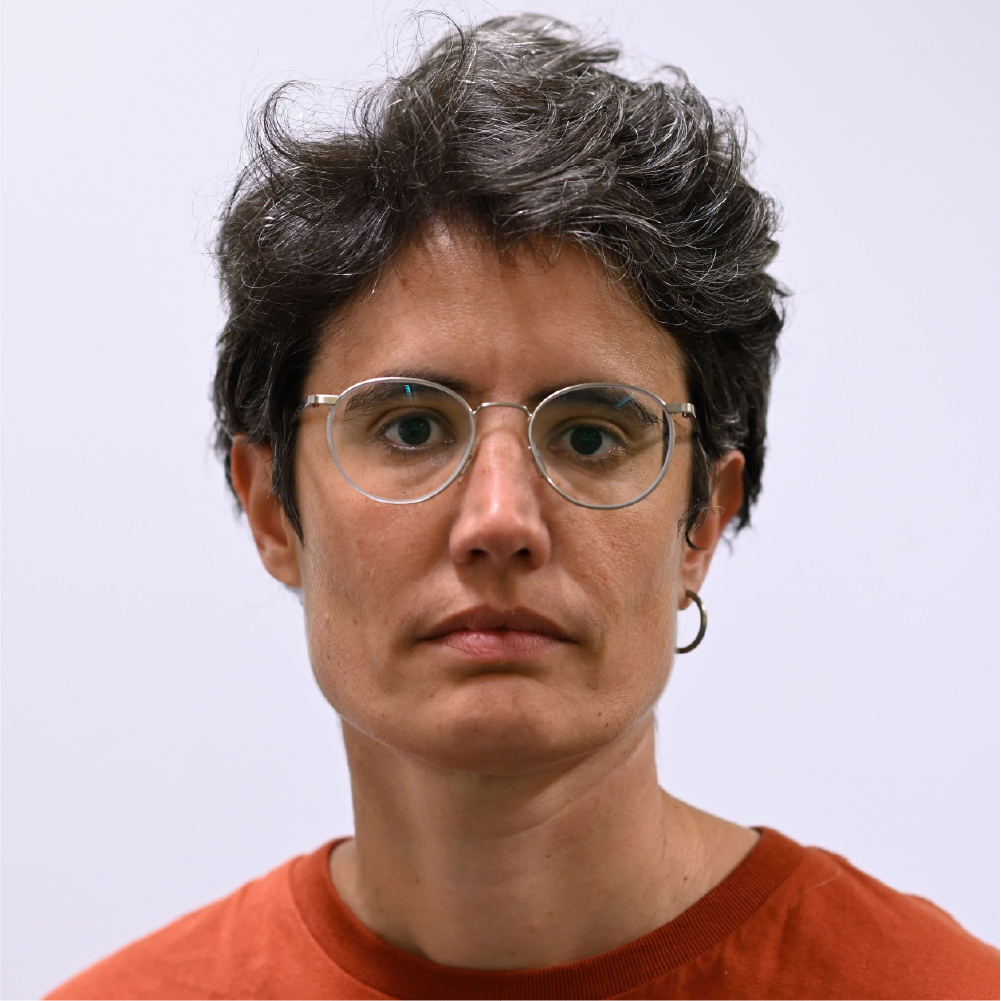
Francesca Pianosi
School of Civil, Aerospace and Design Engineering, University of Bristol
Greater power, greater responsibility: water systems modelling with ever increasing data and computing power
Mathematical modelling is key to advance our understanding of human-water systems and to inform water management decisions across spatial and temporal scales. Ever growing availability of hydrological data and computing power creates an opportunity to develop increasingly complex models and analyse the interactions between human activity and hydrological processes at unprecedented scales. On the other hand, increases in model complexity also means that we need more sophisticate approaches to model validation and quantification of model uncertainties. In this talk, I will draw from a range of examples in recent research to discuss how we can use extensive datasets from hundreds of catchments to learn about human influences on hydrological processes across scales, how we can leverage Machine Learning and explainable AI to improve that understanding, and how we can use sensitivity analysis for the diagnostic evaluation of large-scale hydrological and water resource models and foster responsible use of model outputs for decision-making.
Francesca Pianosi is an Associate Professor in Water & Environmental Engineering at the University of Bristol, UK. She specialises in computational hydrology, water resource systems modelling, and uncertainty and sensitivity analysis. She has led and contributed to several research projects to improve the understanding and management of droughts and floods, in collaboration with environment agencies, water companies and environmental modelling firms. She is passionate about open science and is the lead author of the open-source SAFE toolbox for sensitivity analysis
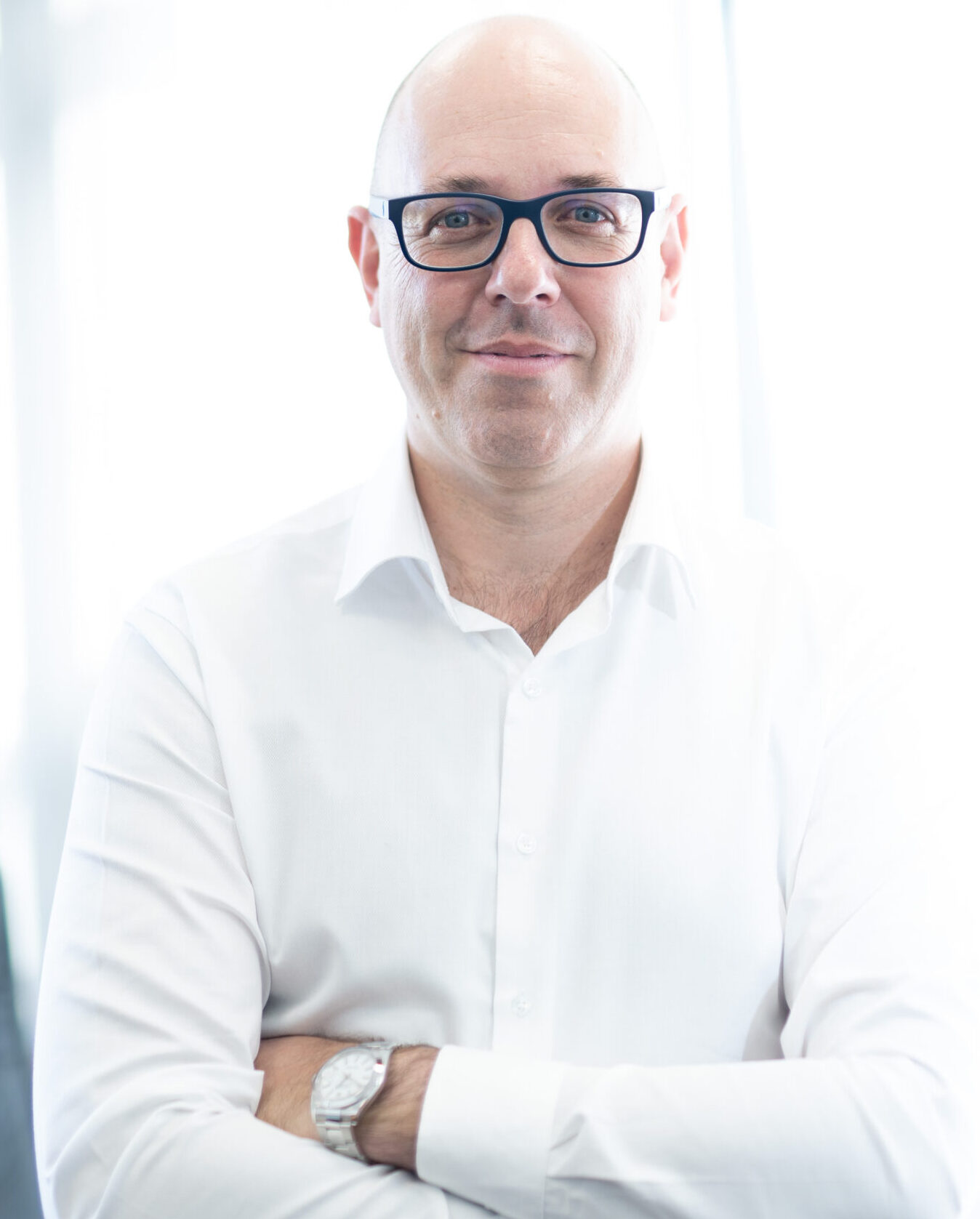
Enrique Cabrera
Universidad Politécnica de Valencia
Digital transformation of urban water systems
Digitalization of urban water services has slowly been taking place in the last 30-40 years. However, the rate of transformation has significantly increased in the past 5 years. This revolution is taking place through the massive implementation of new hardware (sensors, IoT devices, etc.) and new software platforms and algorithms, with the incremental participation of IA as part of the decision making process. This digital transformation should not be considered purely a change in the trade tools for water system managers and engineers, but rather an opportunity and a necessity to change the way water utilities are operated and managed. This paradigm shift applies to the largest utilities with large resources, but also to the smaller ones and the ones situated in low and medium income countries, as the digital transformation will democratize many advanced tools and management techniques in this low-resources environments.